
Casablanca
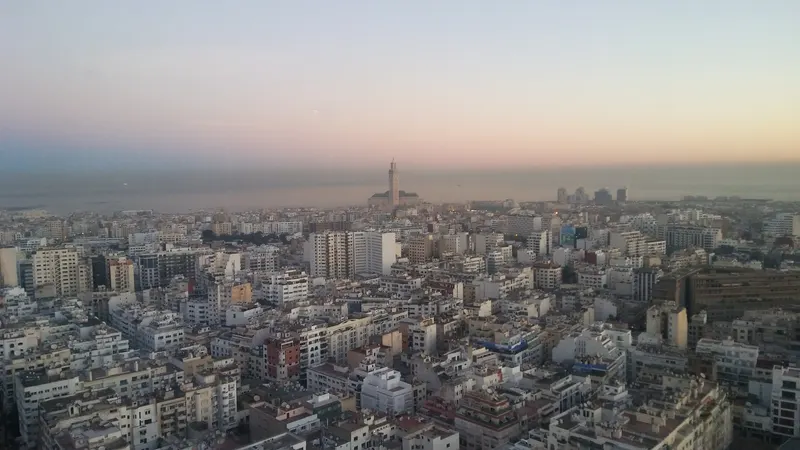
Art Deco streets, the Habous quarter and the craftsmanship of Hassan II Mosque.
In this guide
Overview: make time for the city itself
Casablanca suits a trip interested in architecture and contemporary city life. The national tourism office points to its Art Deco centre, old medina, Habous quarter and Atlantic setting. Choose a city stay deliberately instead of treating every night here as an airport stop. Two nights are a useful planning allowance for a full day of exploring, with more time if you want to linger over architecture.
Experiences: read the centre at street level
For an architectural outing, begin with a manageable part of the centre rather than a cross-city checklist. Look up from shop signs to balconies, window shapes and the upper floors of Art Deco façades. A guide with an interest in architecture can help distinguish periods and explain how buildings changed use. Agree the area and walking pace beforehand; a view from the pavement does not imply access to a lobby or private interior.
Habous: a twentieth-century medina
Habous is the new medina, planned in the twentieth century using traditional Moroccan forms. The regional tourism council describes a neighbourhood of arcades, small squares and shops selling ceramics, leather, carpets and worked metal. That history makes a useful comparison with the centre: consider how different streets provide shade, gather shops and create places to pause. Give browsing its own time, and ask where an item was made rather than assuming everything sold here was produced nearby.
Back to contentsHassan II Mosque: prepare for a guided visit
The foundation describes a guided route through the prayer hall, minaret hall and ablution hall. Confirm the departure time for your date before arranging the rest of the day, and plan to stay with the group. Inside, follow the craftsmanship from zellige and carved wood to marble and tadelakt. Wear clothes covering shoulders and torso and extending below the knees. You must remove your shoes and carry them with you; the foundation says bags are provided at the entrance. Follow the no-drinks rule and the guide’s instructions in this place of worship.
Local context: leave room for ordinary life
The architecture belongs to a working city. Keep entrances and pavements clear when stopping to look at a building, and ask before photographing people at work. The Corniche at Aïn Diab offers another Atlantic-facing part of Casablanca to consider, but it need not be an extra item on an already full day. Decide whether you want time by the sea or a longer stay in the neighbourhood you are exploring.
Getting around: connect separate outings
Treat the centre, Habous and the mosque as separate locations when planning your day. Check their positions against your accommodation, then choose the order and local transport. For an arrival or departure night, save the exact airport or station on your ticket; a hotel described as being in Casablanca is not enough to establish a transfer. Confirm the final approach, luggage arrangements and departure margin with the provider you book.
Back to contentsNext steps: pair architecture with Rabat
Rabat offers a contrasting view of twentieth-century planning alongside older heritage. A stay in each city gives that comparison room to develop. If Casablanca is only a short stop, choose the mosque visit or one architectural area and leave the rest for another trip. Check onward connections before adding a fixed-time museum or guided visit to departure day.
Sources
Each reference lists the information it supports and the date it was checked.
- Moroccan National Tourist Office: Casablanca
Atlantic setting, city-centre Art Deco, Hassan II Mosque, old medina, Habous and Aïn Diab Corniche as distinct place references. No journey times or current event claims adopted.
Checked
- Casablanca-Settat Regional Tourism Council: Quartier Habous
Habous as a twentieth-century new medina, combining modern planning and traditional forms; arcades, squares and craft shops.
Checked
- Hassan II Mosque Foundation: paid guided tour
Guided route through the prayer hall, minaret hall and ablution hall; traditional materials; below-knee clothing and covered shoulders/torso; shoes removed and carried, with bags at the entrance; staying with the group and no drinks. Confirm current tour times and ticket eligibility directly with the foundation.
Checked
Something needs attention? Read about corrections.
Back to the start of this guide